What Is Ketamine Used For? Depression, Surgery & More
What is ketamine used for? Dr. Kaveh explains its uses in depression, PTSD, surgery, chronic pain, and emergency medicine.

Medically reviewed by Anthony Kaveh, MD
Stanford & Harvard-trained
Board-certified anesthesiologist
*IV Ketamine and NAD+ and the Stellate Ganglion Block have been used clinically off-label for decades. They are not FDA approved for the treatment of any psychiatric or pain condition. All medical treatments carry risks and benefits that you must discuss with a doctor at Clarus Health to learn if these therapies are right for you.
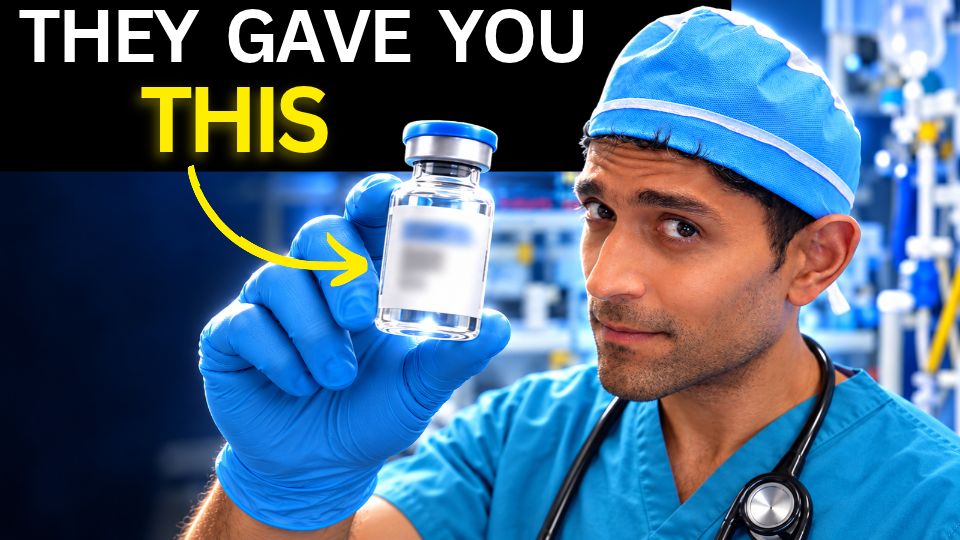
Most people associate ketamine with either anesthesia or recreational drug use. But what is ketamine actually used for in medicine?
The answer might surprise you.
Ketamine is an anesthetic used in surgery and emergency medicine, but it also has important applications in pain management and, increasingly, the treatment of depression and other mental health conditions. Its unusual properties have even made it useful during life-threatening asthma attacks and one of the most extraordinary rescue operations in modern history.
I've used ketamine for years as an anesthesiologist in the operating room. Today, I also use IV ketamine at my San Francisco clinic to help patients with treatment-resistant depression, PTSD, anxiety, and chronic pain.
What fascinates me is how one medication can serve such different purposes.
What Is Ketamine Used For in Medicine?
Ketamine has been used medically for more than 50 years. Its main clinical applications include general anesthesia, procedural sedation, and pain control. It is also used off-label for certain psychiatric and chronic pain conditions.
Its value comes from a combination of unusual properties: ketamine produces anesthesia and pain relief while often maintaining blood pressure and spontaneous breathing better than many other anesthetic medications.
These characteristics help explain why ketamine is included in the World Health Organization's Model List of Essential Medicines.
But its uses go far beyond what most people expect from an anesthetic.
Why Is Ketamine Used During Surgery and Medical Emergencies?
When I'm caring for a patient undergoing surgery, two of my biggest concerns are their breathing and blood pressure.
Many anesthetic medications can suppress breathing and cause blood pressure to fall. These effects are usually manageable in healthy patients, but they become more concerning when someone has lost significant blood, has cardiovascular disease, or needs emergency surgery.
Ketamine is unusual because it commonly stimulates the sympathetic nervous system, helping maintain heart rate and blood pressure. It also tends to preserve spontaneous breathing, although respiratory complications can still occur.
This can make ketamine especially useful for selected critically ill patients.
It isn't ideal for everyone, however. Its cardiovascular effects can increase cardiac workload, and patients with certain medical conditions may be better served by other anesthetics.
Another advantage is that ketamine can be given as an intramuscular injection, without first establishing an IV. This can be helpful during emergency procedures when IV access is difficult, particularly in children.
Can Ketamine Help With Severe Asthma?
One of ketamine's lesser-known properties is its ability to relax the muscles surrounding the airways.
In severe asthma, these muscles tighten and restrict airflow. Ketamine's bronchodilating effects can be particularly useful when a patient experiencing bronchospasm also requires anesthesia.
This is something I consider when managing patients with reactive airways in the operating room.
A published review of ketamine in severe asthma describes encouraging findings, although the evidence is not strong enough to recommend ketamine as routine first-line treatment for asthma attacks.
It's another example of how ketamine can address several medical problems at once.
Why Is Ketamine Used for Depression?
Perhaps the most surprising development in ketamine research has been its potential to rapidly improve severe depression.
Conventional antidepressants commonly take several weeks to work. In contrast, some patients experience meaningful improvement within hours of receiving ketamine.
A landmark 2006 randomized clinical trial found significant improvement in treatment-resistant depression within approximately two hours of an IV ketamine infusion.
Other research has demonstrated that ketamine can rapidly reduce suicidal thoughts in some patients. A 2018 randomized trial found significant reductions in suicidal ideation within 24 hours compared with an active placebo.
These effects are especially interesting because ketamine works differently from conventional antidepressants.
Rather than primarily targeting serotonin or norepinephrine, ketamine acts on the brain's glutamate signaling system. Its downstream effects may influence synaptic plasticity, the ability of brain cells to develop and modify connections.
We're still learning exactly how these mechanisms contribute to ketamine's antidepressant effects, but they have opened up an entirely different approach to understanding depression.
At Clarus Health, we offer IV ketamine therapy in San Francisco for carefully selected patients, particularly those who haven't responded adequately to conventional treatments.
Is Ketamine Used for PTSD and Anxiety?
Ketamine is also being studied for post-traumatic stress disorder (PTSD) and anxiety disorders.
Early research suggests that some patients with PTSD may experience meaningful improvements in symptoms following IV ketamine treatment.
For example, a 2021 randomized controlled trial involving patients with chronic PTSD found significantly greater symptom improvement with repeated ketamine infusions compared with an active placebo.
However, the evidence is still developing, and results across studies have not been uniformly positive. Ketamine is not FDA-approved for PTSD or anxiety disorders.
In my clinical experience, understanding the relationship between emotional distress, physical symptoms, and the body's stress response is important when evaluating patients with trauma-related conditions.
Depending on the individual, treatment may involve different approaches. For example, we also offer Stellate Ganglion Block (SGB) for selected patients with PTSD and related symptoms.
The goal isn't simply to offer ketamine to everyone. It's to determine which treatment, if any, is most appropriate for the patient.
Is Ketamine Used for Chronic Pain?
Yes. In fact, pain relief is one of ketamine's longstanding medical applications.
Anesthesiologists frequently use ketamine to help manage acute pain during and after surgery. Its pain-relieving properties can also reduce the need for opioid medications in certain circumstances.
Ketamine is sometimes used for difficult-to-treat chronic pain conditions, including selected neuropathic pain syndromes and complex regional pain syndrome (CRPS). The results vary substantially depending on the condition being treated, and the evidence for long-term benefit is less established than for acute pain.
The American Society of Regional Anesthesia and Pain Medicine's consensus guidelines provide a detailed review of IV ketamine for chronic pain, including its potential benefits, limitations, and safety considerations.
What I find especially interesting is how frequently chronic pain and mental health conditions overlap. A patient struggling with depression may also have longstanding physical pain, and both deserve careful evaluation.
What Is the Difference Between Ketamine and Spravato?
Research into ketamine's antidepressant effects also helped lead to the development of Spravato, an intranasal medication containing esketamine, one of the two mirror-image forms of ketamine.
Spravato is FDA-approved for treatment-resistant depression in adults, either alone or alongside an oral antidepressant.
Both IV ketamine and Spravato require careful medical supervision, but they differ in administration, dosing, regulatory indications, and treatment protocols. For patients exploring their options, these differences can matter.
You can learn more about Spravato treatment in San Francisco at Clarus Health, including insurance coverage and how it compares with IV ketamine.
How Ketamine Helped Rescue 12 Boys Trapped in a Flooded Cave
One of the most extraordinary examples of ketamine's versatility comes from Thailand in 2018.
Twelve boys and their soccer coach became trapped deep inside a flooded cave system after heavy monsoon rains. Rescuing them required divers to navigate narrow underwater passages with very limited visibility. The children had little diving experience, and panic or uncontrolled movement could have been catastrophic.
The rescuers ultimately used ketamine-based anesthesia as part of a carefully coordinated medical rescue.
A 2019 report in the New England Journal of Medicine describes how ketamine anesthesia, oxygen masks, and specialized medical care were used during the extraction.
For me, this story captures why ketamine is such a remarkable medication. Its value isn't limited to operating rooms or psychiatric treatment. Under extraordinary circumstances, its unique properties can make things possible that would otherwise be incredibly difficult.
Is Ketamine Safe? What Are the Risks?
Despite its medical benefits, ketamine is not without risks.
Potential side effects include dissociation, nausea, increases in blood pressure, confusion, and impaired coordination. At higher doses or in certain circumstances, it can also cause serious respiratory or cardiovascular complications.
Ketamine also has the potential for misuse and dependence, particularly with repeated unsupervised use. Heavy recreational use has been associated with serious bladder and urinary tract damage. The tragic death of actor Matthew Perry brought renewed attention to the dangers of ketamine misuse and inadequately supervised administration.
These risks are real, but they shouldn't overshadow ketamine's legitimate medical value. Like other powerful medications, ketamine requires appropriate patient selection, careful dosing, and medical monitoring.
Ketamine is One of Medicine's Most Versatile Drugs
After years of using ketamine both inside and outside the operating room, I continue to be impressed by the range of conditions in which it can be useful.
Few medications have applications spanning emergency anesthesia, surgery, pain management, and rapidly acting depression treatment. But it's important to remember that ketamine isn't a miracle drug. Its benefits depend on the condition being treated, the patient's medical history, and how the medication is administered.
If you're considering ketamine treatment for depression, PTSD, anxiety, or chronic pain, the first step is understanding whether it's appropriate for you.
At Clarus Health in San Francisco, we provide individualized evaluations and physician-supervised IV ketamine treatment, along with other options for patients struggling with difficult-to-treat symptoms.
Learn more about our IV ketamine treatments, or contact Clarus Health to discuss your options.

Anthony Kaveh MD
Dr. Kaveh is a Stanford and Harvard-trained anesthesiologist and integrative medicine specialist. He has over 1,000,000 followers on social media and has guided over 6,000 patients throughout transformative healing experiences. He is a medical educator on Ketamine, the Stellate Ganglion Block, Hormone Replacement, and NAD+ therapies.